My mom is 78 and lives alone. She lives on one side of the United States. I live on the other, 3,000 miles — or about 4,800 kilometers — away.
I’m an only child, so when my mom has a challenge she needs help with, there usually isn’t anyone else to hand it off to. It’s me. And that is fine.
Two months ago, my mom stood up from the couch, heard a loud pop in her knee and was suddenly in severe, excruciating pain. She could barely walk.
It was so bad, she went to the ER to have it examined. I knew almost immediately this was going to turn into more than one doctor’s appointment.
Normally, this is where my yellow notepad comes out.
I’m a journalist, and I’ve always taken notes by hand. In important meetings, while covering a protest, or jotting down stock market ebbs and flows while covering Wall Street, it doesn’t matter. I like pen on paper. My mom jokes about it. She’ll say, “You always have that big yellow pad with you.”
She’s right.
But over the last year, I’ve been using AI a lot more, and for this knee problem I decided to try something different.
I ended up using three tools together:
ChatGPT, Hey Pocket and Wispr Flow.
None of them replaced a doctor. That was never the point.
What they did was give me an information and advocacy layer that made it much easier to help my mom from far away.
Hey Pocket became the memory.
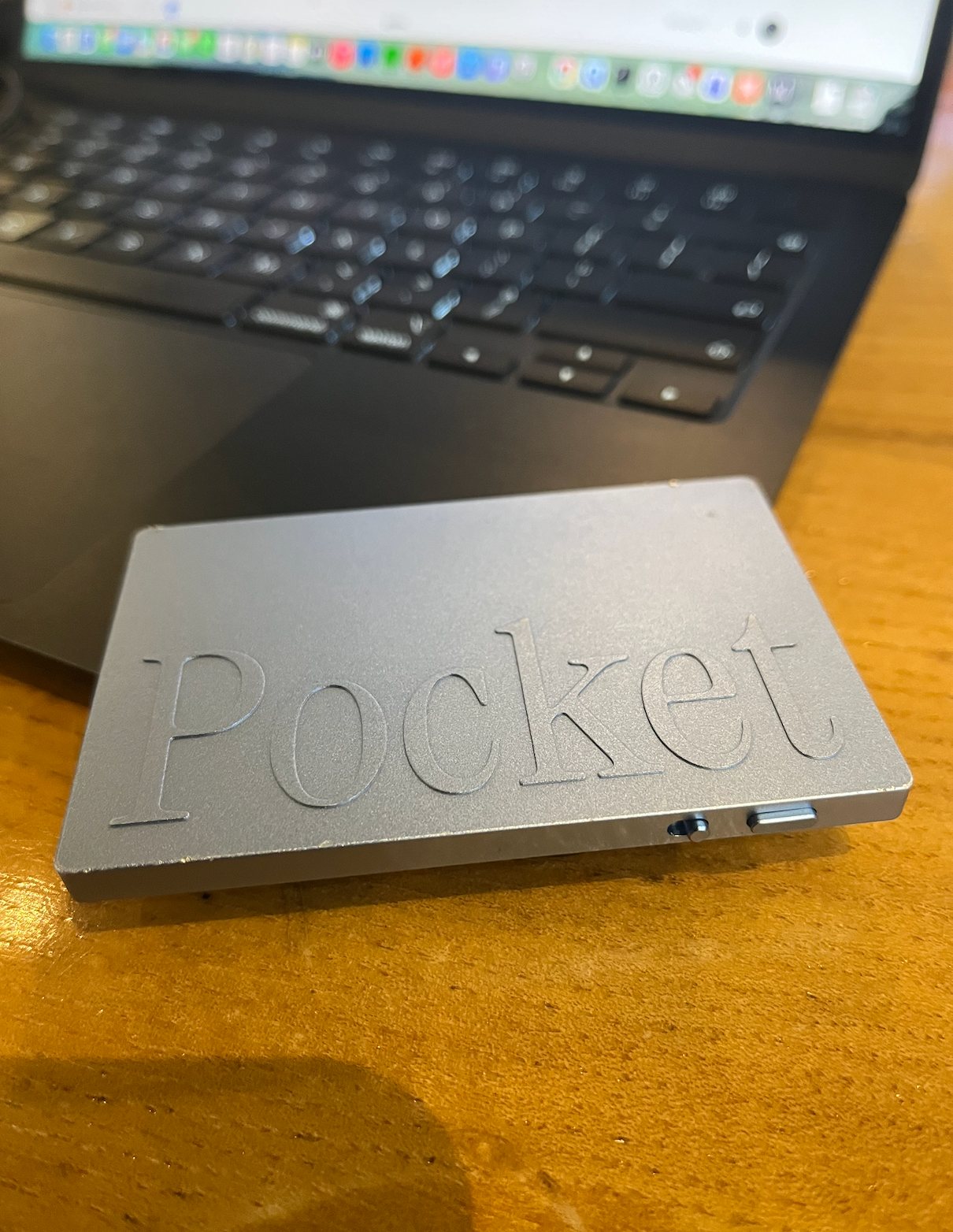
Pocket is a small AI recording device. I used it to record phone conversations with my mom, with her permission, and later some of her medical appointments (also with doctor permission).
That mattered because instead of half-listening while scribbling notes, I could actually focus on what she was saying.
When my mom described the pain, what the doctor had said, what had changed and what she was worried about, Pocket captured it. The device magnetically attaches to the back of a phone and, with the flip of a switch, can capture a call. Afterward, it produces a transcript and a succinct summary.
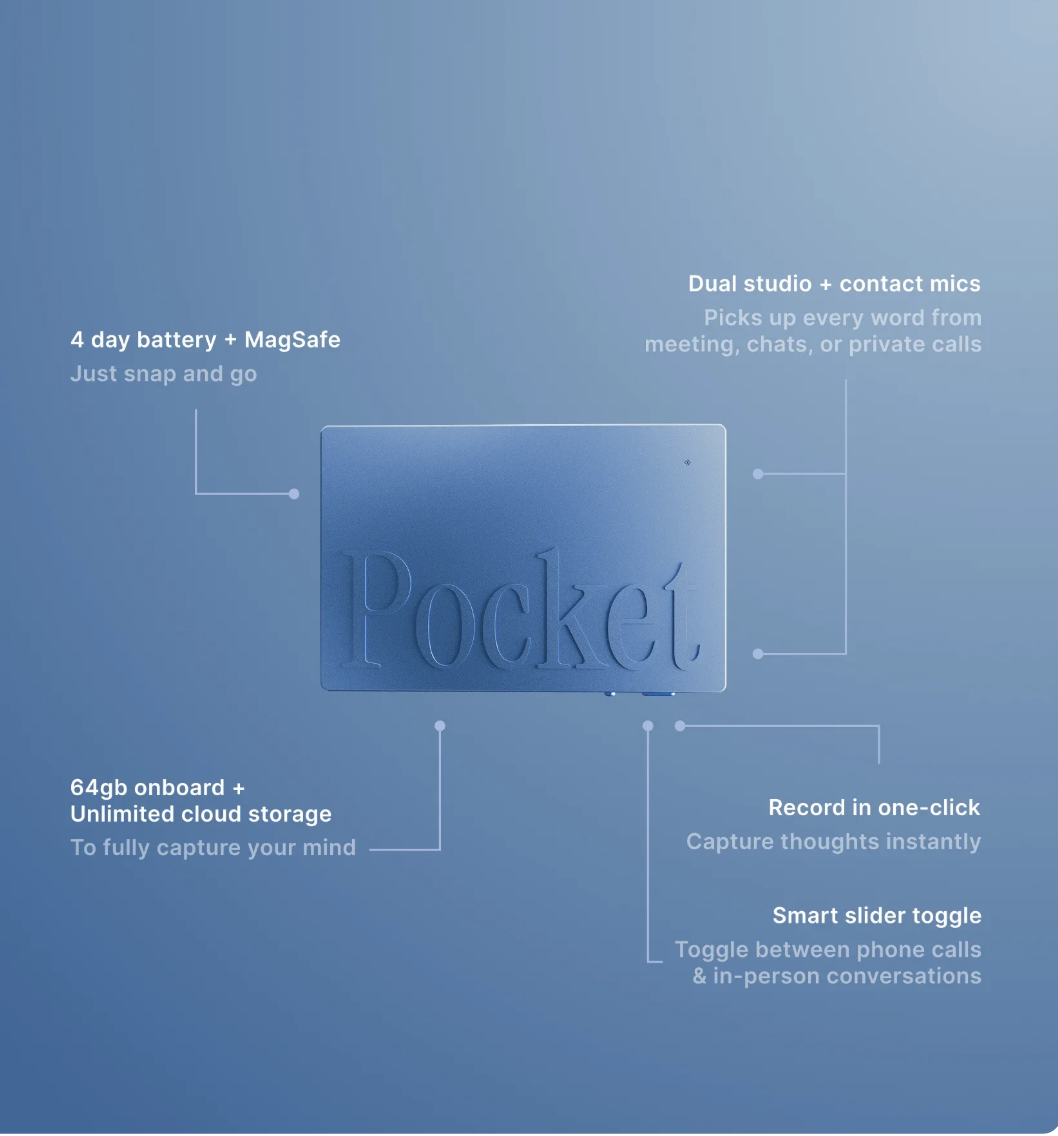
Then I connected Pocket to ChatGPT.
I already had a ChatGPT project devoted to issues related to my mom. When the knee problem started, I opened a new chat inside that project and called it simply: Left Knee.
After calls with her, I could tell ChatGPT to pull the relevant Pocket conversation.
After a doctor’s appointment, I could do the same thing.
Over time, that chat started to contain the full chronology: when the injury happened, what the emergency room said, what the first orthopedic doctor said, what treatment was tried, whether it worked, and what changed next.
ChatGPT became the context.
That was the part I found most useful. I could use my brain to help my mom, and the ChatGPT “brain” to hold the memory and context.
Not because ChatGPT was diagnosing her. It wasn’t.
But I could ask things like: What exactly did the doctor mean by this? Why would an orthopedist decide not to order an MRI? What questions should I ask at the next appointment? What changed between what the first doctor said and what the second one said?
Instead of starting from zero every time, or thumbing through that yellow notepad trying to read my poor handwriting, the full history was already there.
About five weeks into the ordeal, with the knee getting worse and not better, I flew across the country and went with my mom to a crucial orthopedic follow-up appointment.
With the clinician’s permission, I recorded the visit on Pocket.
For roughly an hour, I could focus on the conversation instead of trying to write down every sentence.
When we left, I pulled the recording into ChatGPT.
Now the same chat that already contained the previous five weeks of information also had the actual words from that appointment.
Later, my mom had another important consultation that I couldn’t attend in person. A friend went with her and FaceTimed me from an iPad so I could listen in. Again, with permission, I recorded the conversation.
That went into the same ChatGPT thread too.
By then, I had something I’d never really had before in helping my mom with a medical issue: one place containing the whole story.
And then there was Wispr Flow.
Wispr Flow is a voice-to-text tool. Instead of typing long prompts into ChatGPT, I could simply talk.
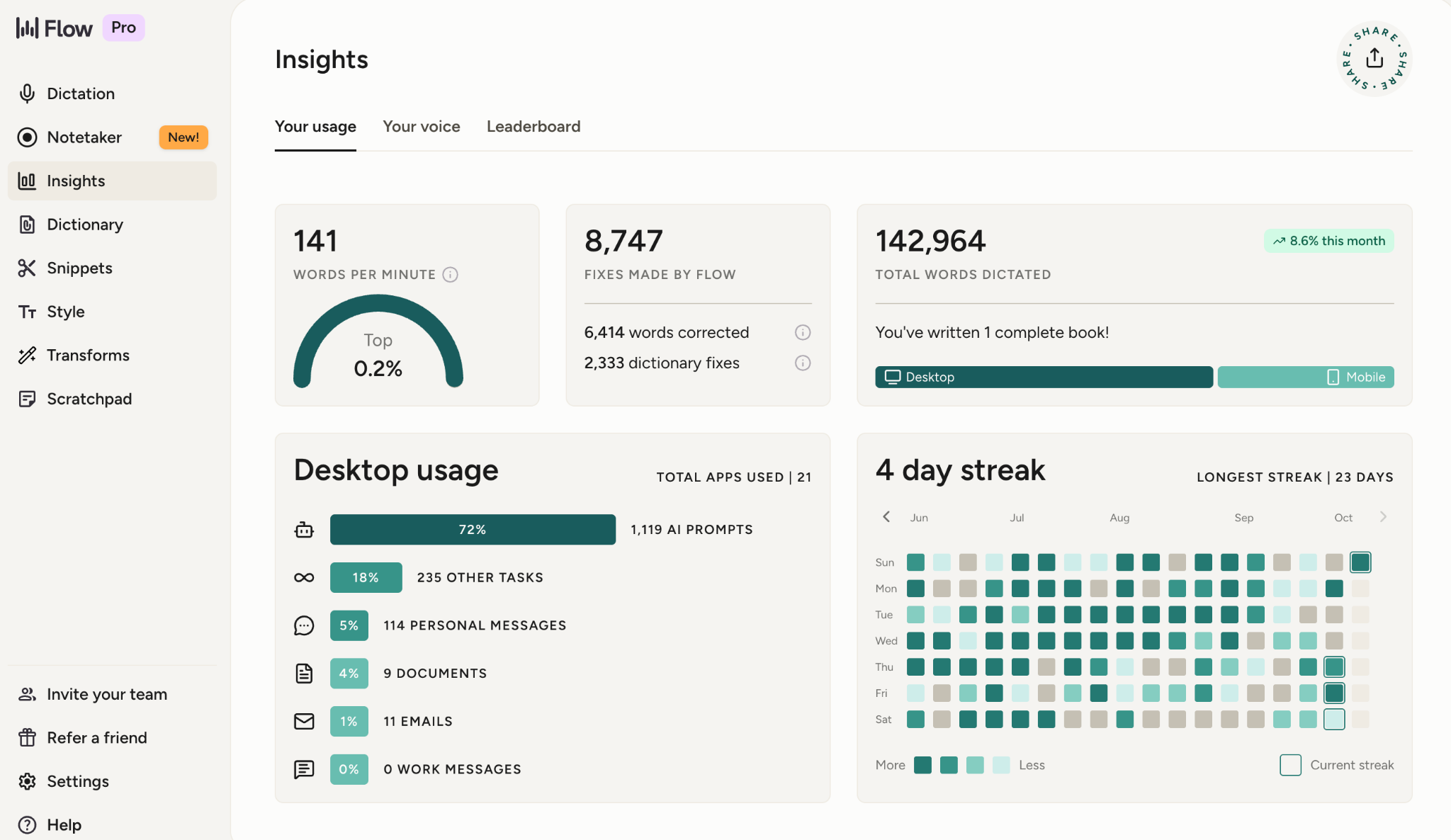
Sometimes I would be commuting to work and say something like: I just spoke to my mom. Pull up the latest Pocket conversation. The doctor said X, but the previous doctor said Y. What’s the difference? What should I ask next?
Wispr Flow turned that into text instantly.
So the workflow became very simple:
Pocket captured.
ChatGPT connected the dots.
Wispr Flow let me talk through it.
The biggest benefit was not speed.
It was attention.
When my mom was telling me how much pain she was in, I wasn’t looking down at a notepad.
When I was sitting in an exam room with her, I wasn’t trying to transcribe the conversation.
When she later asked me, “What did that doctor say again?” I could pull up a summary and send it to her.
And when I needed to prepare for the next appointment, I wasn’t relying on memory, scattered notes or my handwriting.
The technology handled more of the record keeping. That freed up my attention for something more important: being her son and advocate instead of her notetaker.
I hesitated to write about any of this because I believe medical issues involving family are private. They are. Nothing has changed.
But the useful part of this story isn’t really about my mother’s knee.
It’s about a problem a lot of people have: helping an aging parent from far away, while trying to keep track of appointments, doctors, treatments, terminology and changing information.
I didn’t build some elaborate system.
I just took three AI tools I already used and combined them in a way that happened to work extremely well for one very real problem.
Eight weeks after I opened the Left Knee chat in ChatGPT, my mom’s knee is dramatically better.
And if the problem comes back — fingers crossed it won’t — I have the full history from day one.
For once, I don’t need the yellow pad.